
What to Expect From a Professional Septic Install
Installing a septic system is a major project that affects the safety, function, and long-term value of a property. For homes and businesses that are not connected to a municipal sewer line, a properly designed septic system is essential for managing wastewater safely and efficiently. Because the system is located underground and must meet strict performance standards, installation should always be handled by experienced professionals.
A professional septic install involves much more than placing a tank in the ground. It requires planning, soil evaluation, permitting, excavation, system design, careful installation, inspection, and long-term maintenance guidance. According to Statista, approximately 86.1% of people in the United States rely on centralized sewer systems for wastewater management. For properties outside those service areas, understanding the installation process can help owners feel more prepared and confident from start to finish.
Evaluating Site Conditions
The first step in a professional installation is evaluating the property. Contractors need to understand the layout of the land, soil conditions, slope, drainage patterns, groundwater levels, and available space. These details help determine where the tank and drain field can be placed safely and effectively. A system that works well on one property may not be suitable for another. Proper evaluation also helps contractors estimate project scope, identify access concerns, and plan installation methods that fit the unique conditions of the site.
Site evaluation also helps identify potential challenges before excavation begins. Trees, wells, buildings, driveways, property lines, and nearby water sources can all affect system placement. A thorough review allows professionals to design a septic install that supports proper wastewater treatment while meeting local regulations and protecting the surrounding environment. Early planning can also help reduce delays, avoid costly adjustments, and improve the long-term reliability of the completed septic system.
Completing Soil Testing
Soil testing is one of the most important parts of the process. The soil must be able to absorb and filter wastewater properly after it leaves the septic tank. A percolation test, often called a perc test, measures how quickly water moves through the soil. This helps determine whether the land can support a traditional septic system. Testing may also identify seasonal groundwater concerns or compacted soil conditions that could affect long-term drainage and system performance after installation.
If the soil drains too quickly or too slowly, the contractor may need to recommend a different system design. Poor soil conditions can lead to backups, standing water, odors, or contamination concerns if they are ignored. Professional testing helps ensure the system is designed for the actual conditions on the property. Accurate results also help contractors choose appropriate materials and layouts that support safe wastewater treatment and dependable operation for many years.
Securing Required Permits
Most septic systems require permits before installation can begin. Local health departments or environmental agencies typically review the system design to make sure it meets safety and code requirements. This step protects property owners, neighbors, groundwater, and nearby waterways from improper wastewater treatment. Permit reviews also help verify that the planned system is appropriate for the property size, soil conditions, and expected wastewater usage before construction officially starts.
A professional contractor can help guide owners through the permitting process and submit the required documentation. Permits may include site plans, soil test results, system specifications, and inspection requirements. Handling this process correctly helps prevent delays and ensures the septic install is approved before major work begins. Experienced contractors can also communicate directly with local agencies to address questions, coordinate inspections, and keep the project moving forward efficiently.
Designing the System
Once the site and soil have been evaluated, the system can be designed. The design will depend on the size of the property, the number of bedrooms or occupants, water usage, soil conditions, and local code requirements. A properly sized system is essential because an undersized system may become overloaded, while a poorly placed system may fail prematurely.
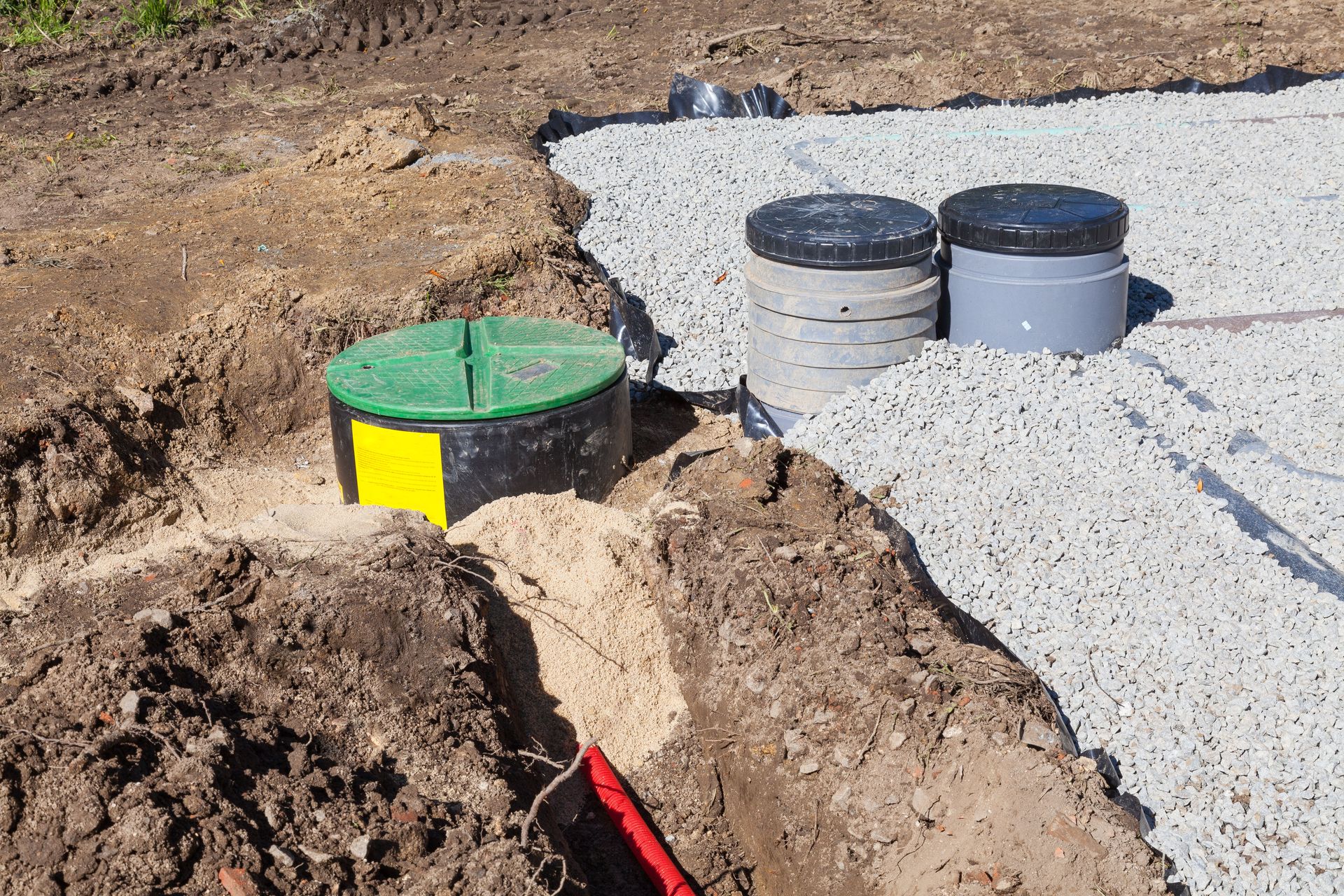
The design usually includes the septic tank, distribution box, drain field, pipes, and access points. Some properties may require advanced treatment units, pumps, or alternative drain field designs. A professional design helps ensure the septic install can handle the expected wastewater flow while supporting reliable operation over time.
Preparing the Excavation
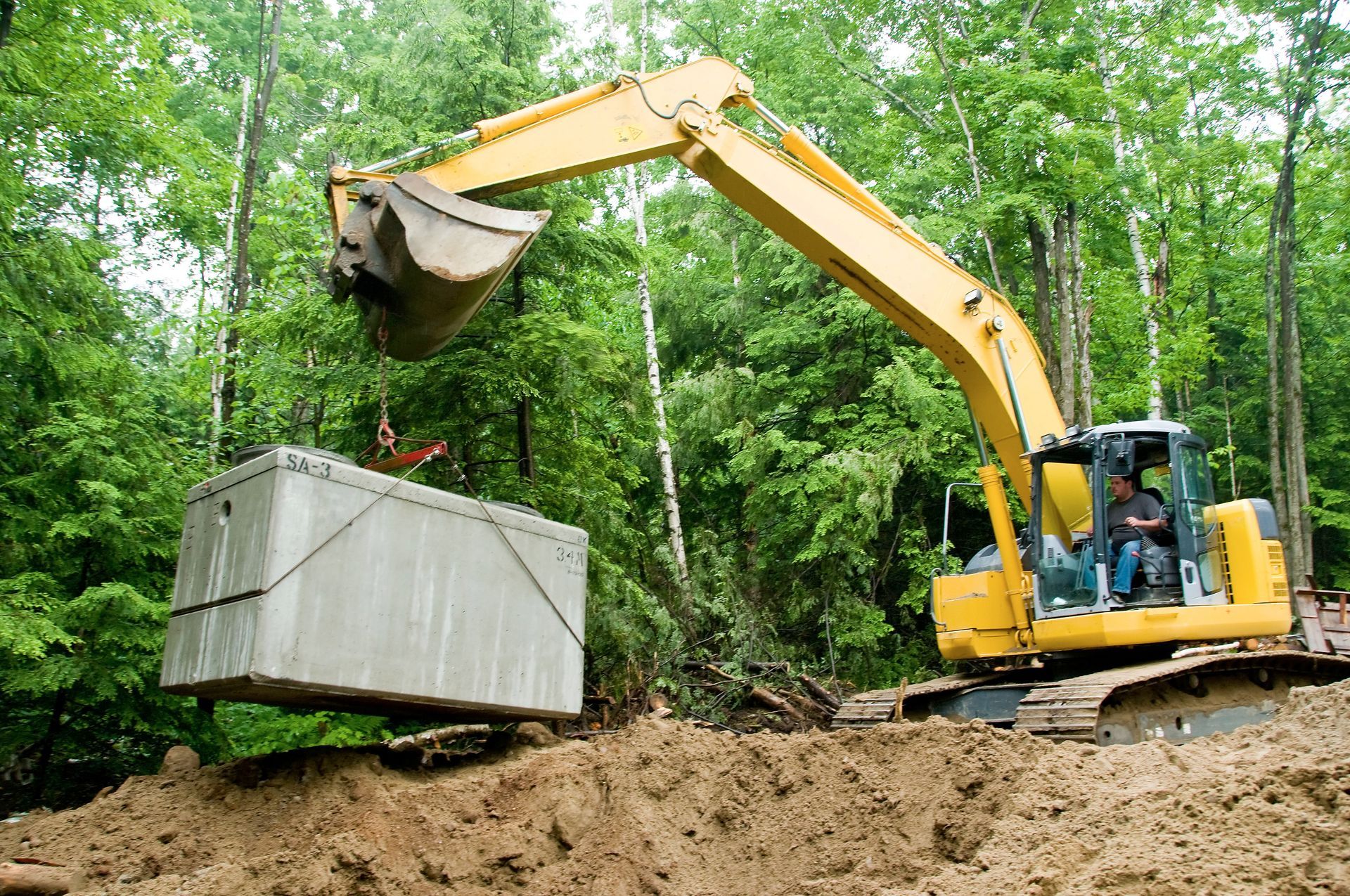
After approvals are in place, excavation can begin. This stage involves digging for the tank, trenches, drain field, and connecting lines. Heavy equipment is often needed, so property owners should expect some disruption to the yard during the project. A professional crew will work carefully to follow the approved layout and protect nearby structures or utilities.
Preparation may also include marking underground utilities, clearing access paths, and planning where soil will be placed during digging. Proper excavation is important because depth, slope, and alignment all affect how the system functions. Mistakes during this stage can lead to drainage problems, damaged components, or failed inspections.
Installing the Components
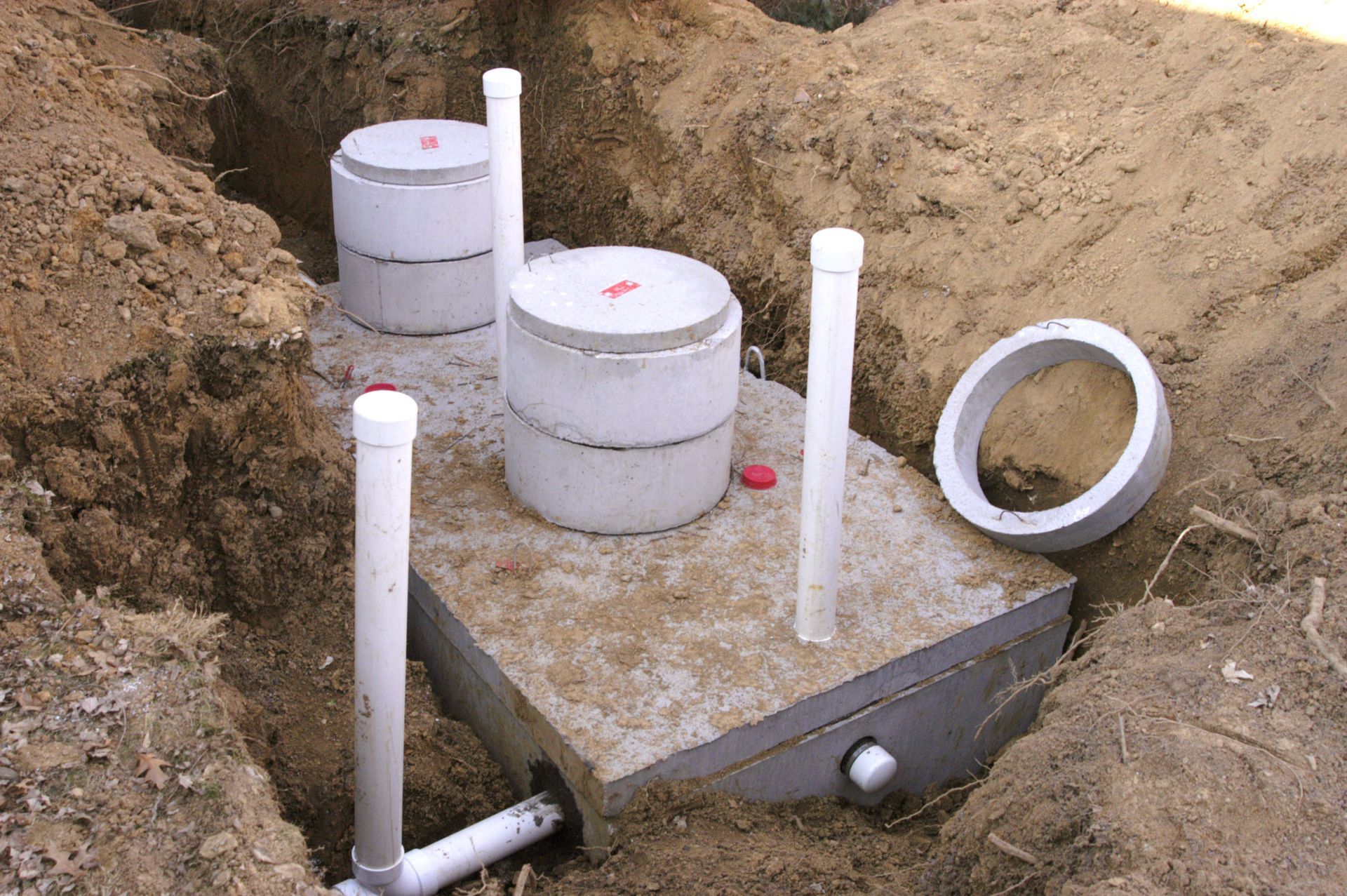
The septic tank is placed first, followed by pipes, distribution components, and the drain field. Each part must be positioned correctly so wastewater can flow through the system as intended. The tank collects solids and separates waste, while liquid effluent moves into the drain field for natural treatment through the soil.
During installation, professionals check elevations, pipe connections, bedding materials, and component placement. This careful attention helps prevent leaks, blockages, and uneven wastewater distribution. A quality septic install depends on precision because even small errors can affect performance after the system is buried and in use.
Completing Final Inspections
Before the system is covered, inspections are usually required. Inspectors may review the tank placement, drain field layout, pipe slope, materials, and overall compliance with the approved plan. This step confirms that the installation meets local standards and is ready for safe operation.
If an inspector identifies an issue, it must be corrected before the system can be approved. While inspections may seem like an extra step, they are an important safeguard for property owners. Final approval provides confidence that the system was installed correctly and meets the requirements for long-term use.
Restoring the Property
Once the system passes inspection, the excavated areas can be backfilled and graded. The yard may not look completely restored right away, but a professional crew will work to return the area to a safe and usable condition. Soil may settle over time, so some additional grading or landscaping may be needed later.
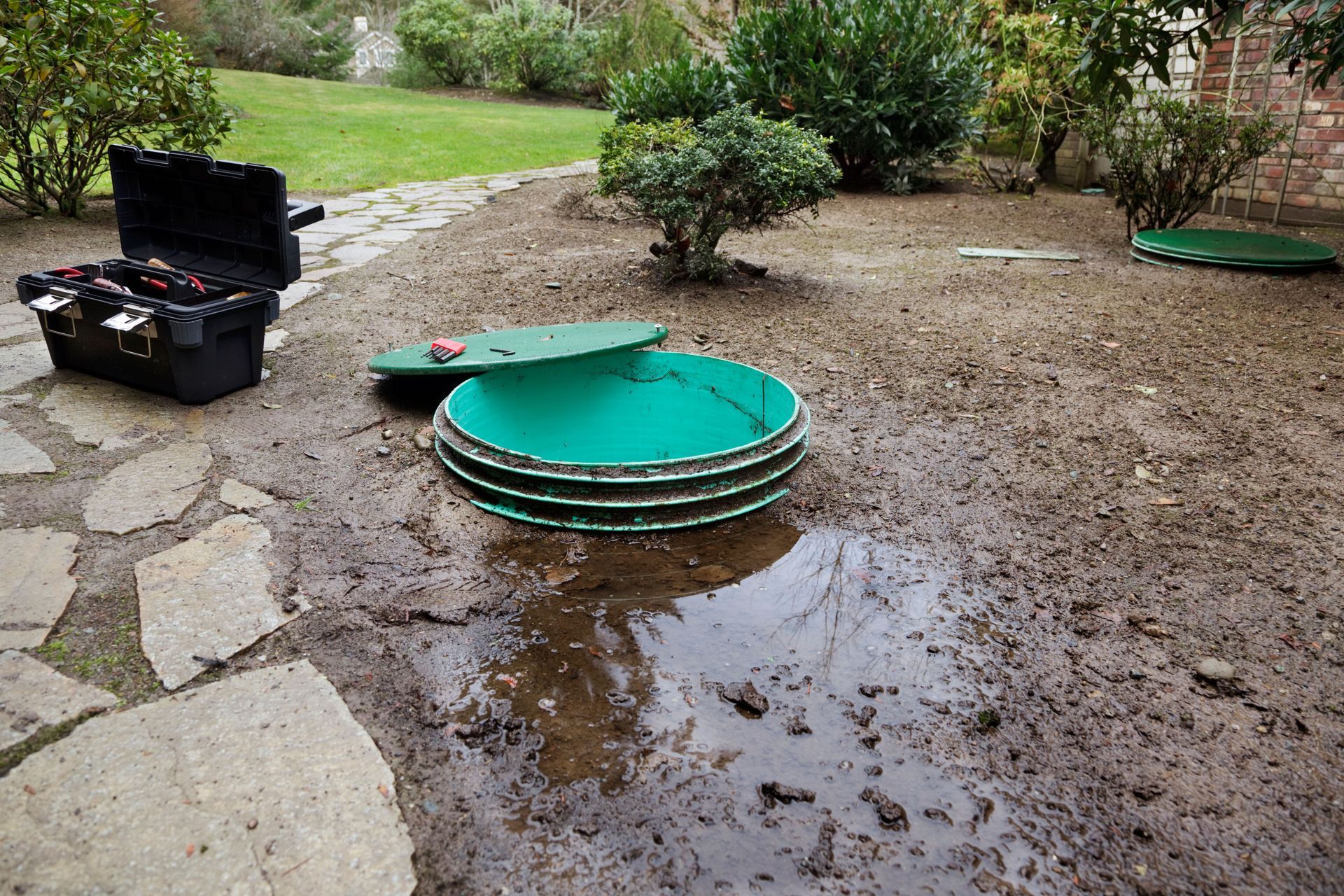
Property owners should ask which areas must remain accessible for future maintenance. Septic lids, inspection ports, and drain field areas should not be blocked by structures, pavement, or heavy landscaping. Proper restoration protects the system and makes future service easier after the septic install is complete.
Explaining Maintenance Needs
A professional contractor should explain how to care for the system after installation. Septic systems need regular pumping, inspections, and responsible water usage to perform well. Owners should avoid flushing grease, wipes, harsh chemicals, and other materials that can harm the tank or clog the system.
Maintenance guidance helps prevent avoidable problems and extends system life. Contractors may recommend a pumping schedule based on household size and tank capacity. Understanding these responsibilities helps property owners protect their investment and reduce the risk of backups, odors, drain field damage, or expensive repairs.
A professional septic installation is a detailed process that requires planning, testing, permitting, excavation, precision, and expert guidance. From the first site evaluation to final inspection and maintenance education, each step plays an important role in building a safe and dependable wastewater system. Knowing what to expect can help property owners prepare for the project, avoid surprises, and feel confident in the final result. For experienced help with your next septic install, contact Vandenberg Services.
Share On: