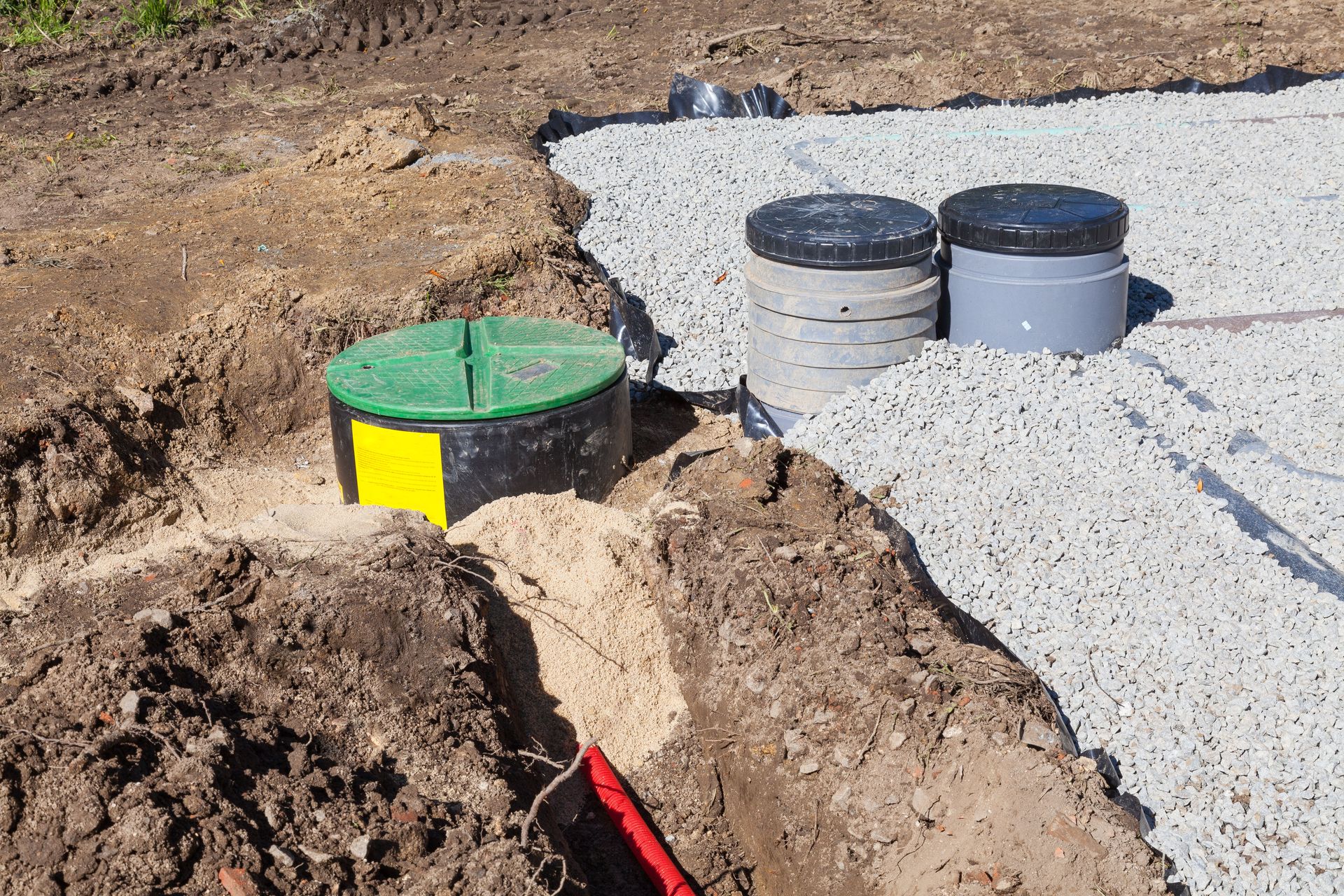
8 Situations Where Septic Replacement Is the Only Option
Septic systems play a vital role in managing household waste safely and efficiently, operating quietly beneath the surface to support everyday activities. When functioning properly, they help maintain a clean environment, protect groundwater, and keep your property running smoothly. However, like any essential system, they are subject to wear and changing conditions over time. Factors such as age, increased usage, environmental shifts, and hidden damage can all impact performance, often without immediate or obvious warning signs.
As problems begin to surface, homeowners may attempt to address them with minor repairs, assuming the issue is isolated. While this approach can work in some cases, there are situations where underlying damage is too extensive for temporary fixes. Delaying the decision to move forward with a septic replacement service can lead to repeated disruptions, higher costs, and potential health concerns. Recognizing when replacement is the more effective solution allows you to take control of the situation early — making it easier to transition into the key signs and scenarios where a full system upgrade becomes necessary.
1. Identify Aging Systems That Require Replacement
Septic systems are designed to last for decades. As systems age, materials begin to break down, reducing overall efficiency and reliability. Cracks, corrosion, and structural wear can develop gradually, often going unnoticed until problems become severe.
Older systems also tend to require more frequent repairs, which can quickly add up in cost. Instead of continuing to invest in short-term fixes, many homeowners find that a septic replacement service provides a more stable and lasting solution. Replacing an outdated system restores proper function and reduces the likelihood of recurring issues.
Frequent breakdowns are another clear indicator of aging infrastructure. When repairs become routine rather than occasional, it signals that the system is no longer functioning as intended. Choosing a septic replacement service at this stage can eliminate ongoing disruptions and provide peace of mind.
2. Evaluate Costs of Ongoing Repairs Versus Replacement
The financial impact of repeated repairs is often underestimated. While individual fixes may seem manageable, the cumulative expense over time can exceed the cost of installing a new system. This is especially true when multiple components begin to fail simultaneously.
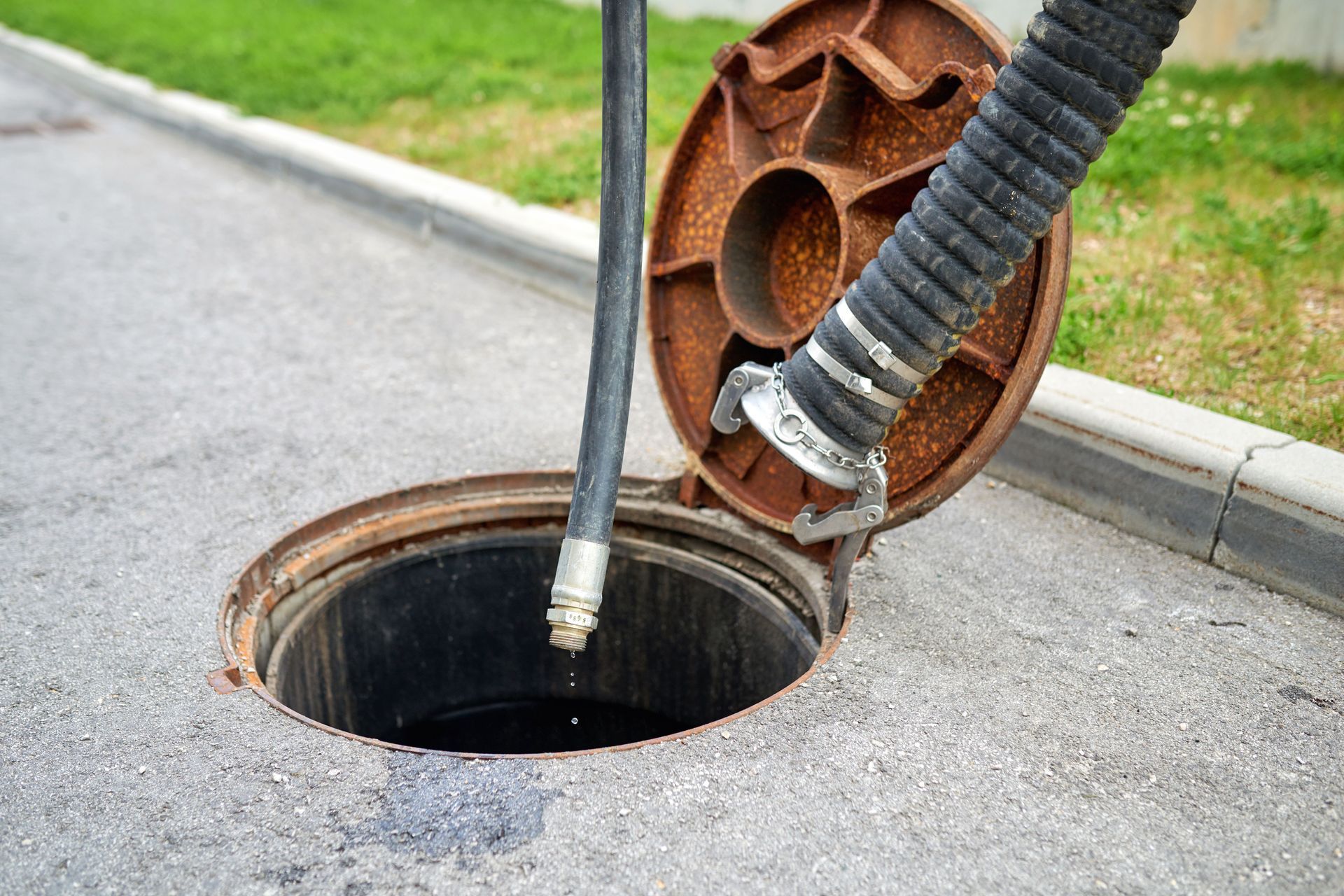
Maintenance is also a necessary part of system ownership. According to This Old House, a typical 1,000-gallon tank serving a four-person household generally requires pumping every three to five years. While routine maintenance is expected, excessive repairs on top of these costs can make replacement the smarter investment.
A septic replacement service allows homeowners to reset their system with updated materials and improved efficiency. This reduces long-term expenses and ensures the system can handle daily demands without constant intervention.
3. Assess Damage Caused By Ground Movement
Natural ground movement can significantly impact septic systems, often leading to irreversible damage. Shifting soil can misalign pipes, crack tanks, and disrupt drainage fields. In these situations, repairs may not fully restore the system’s functionality.
Flooding is another major concern. Saturated soil can overwhelm a septic system, causing backups and contamination. Once the surrounding environment is compromised, replacing the system is often the safest option. A septic replacement service can address these issues by installing a system designed to better handle environmental conditions.
Even gradual soil changes can create long-term instability. When the foundation supporting the system is no longer reliable, replacement becomes necessary to ensure proper operation and prevent future failures.
4. Address Tree Root Intrusion Problems
Tree roots are a common but serious threat to septic systems. Drawn to moisture, roots can infiltrate tanks and pipes, causing blockages and structural damage. Once roots establish themselves within the system, they are difficult to remove completely.
Blocked pipes can lead to slow drainage, backups, and unpleasant odors throughout the home. While temporary fixes may provide short-term relief, the problem often returns as roots continue to grow. In these cases, a septic replacement service offers a more permanent solution.
Replacing the system also provides an opportunity to relocate components or use materials that are more resistant to root intrusion. This helps prevent similar issues from developing in the future.
5. Manage System Overload From Increased Usage
As households grow or change, septic systems may struggle to keep up with increased demand. Adding bathrooms, appliances, or other water-intensive features can strain an existing system beyond its intended capacity.
Signs of overload include frequent backups, slow drains, and persistent odors. These issues indicate that the system can no longer process waste efficiently. Rather than attempting to modify an outdated setup, a septic replacement service can provide a system designed to meet current and future needs.
Lack of regular maintenance can also contribute to system overload. When routine care is neglected, minor issues can escalate into major failures. Replacing the system allows homeowners to start fresh with a structure that supports proper maintenance and long-term performance.
6. Prevent Risks From Extensive System Leaks
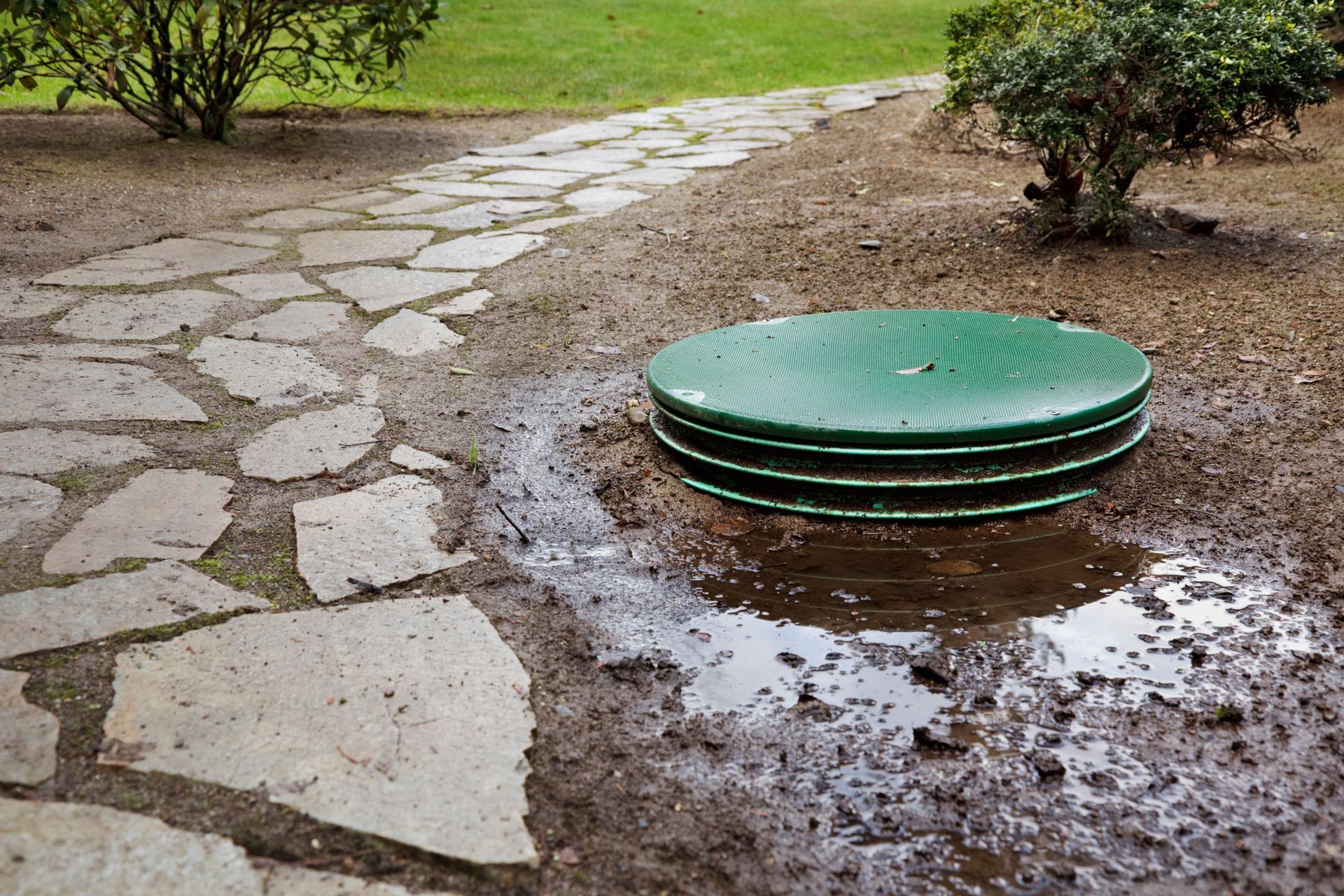
Leaks are one of the most serious septic system issues, posing risks to both the environment and human health. When wastewater escapes into the surrounding soil, it can contaminate groundwater and create hazardous conditions.
In cases of significant leakage, repairs may not be enough to restore the system’s integrity. Damaged tanks and pipes often require complete replacement to ensure safe operation. A septic replacement service addresses these concerns by installing a fully sealed and compliant system.
Health risks associated with leaks should not be overlooked. Exposure to contaminated water can lead to illness and other complications. Replacing a failing system eliminates these dangers and helps maintain a safe living environment.
7. Correct Issues From Poor Installation Practices
Improper installation is another common reason septic systems fail prematurely. Design flaws, incorrect sizing, or poor site preparation can all contribute to ongoing problems. Even with repeated repairs, these underlying issues often remain unresolved.
Using low-quality materials during installation can also lead to early deterioration. Systems built with inferior components are more likely to fail under normal use. In such cases, a septic replacement service provides an opportunity to install a system built for durability and reliability.
Proper site preparation is equally important. Without a stable foundation and appropriate drainage conditions, a septic system cannot function effectively. Replacing the system ensures that all elements — from design to installation — are aligned for optimal performance.
8. Improve Long-Term Performance With Modern Solutions
Modern septic systems offer improved efficiency, durability, and environmental protection compared to older models. Advances in materials and design allow for better waste processing and reduced risk of failure.
A septic replacement service not only resolves existing issues but also enhances overall system performance. New installations are designed to meet current regulations and accommodate modern household demands. This ensures a more dependable and sustainable solution for waste management.
Upgrading to a newer system also simplifies maintenance. With proper care, a modern septic system can operate efficiently for many years, reducing the likelihood of unexpected problems.
Recognizing when repairs are no longer sufficient is essential for maintaining a safe and functional septic system. From aging infrastructure and environmental damage to system overload and installation flaws, certain situations clearly call for a complete replacement. Acting early can prevent costly damage and protect both your property and health.
If you are experiencing ongoing septic issues or suspect your system may need replacement, it may be time to explore your options. At Vandenberg Services, we provide dependable solutions tailored to your property's needs. Our team handles everything from excavation to septic tank replacement, ensuring your system is built for long-term performance. Contact us today to learn how we can help you move forward with confidence.
Share On: