8 Factors Affecting the Lifespan of Your Septic Replacement
A septic system is a crucial component for homes not connected to a municipal sewer line, effectively managing waste and keeping a home’s environment safe and sanitary. While they are robust systems, their longevity depends significantly on several factors, which homeowners need to be aware of. Proper understanding and maintenance can equate to years beyond the typical lifespan without frequent costly repairs. Considering factors like material quality, installation, maintenance, and environmental influences will help ensure the system operates efficiently for many years. According to This Old House, several factors affect the lifespan of a septic tank, but they can last from 15 to 40 years.
1. Quality of Materials Used
The materials used in a septic system play a major role in determining how long it will remain effective. Concrete, fiberglass, and polyethylene tanks each offer different benefits in durability, cost, and maintenance requirements. Concrete tanks are widely favored for their strength and ability to withstand pressure from surrounding soil. Fiberglass tanks resist corrosion and cracking, while polyethylene offers flexibility in challenging ground conditions. Selecting durable materials from the start can delay the need for septic replacement.
Piping and fittings are equally important. High-quality PVC and HDPE piping resist corrosion and root intrusion better than older materials. Secure connections and proper slope prevent blockages and improve wastewater flow. Even small defects in materials can eventually create leaks, backups, and costly repairs.
2. Importance of Proper Installation
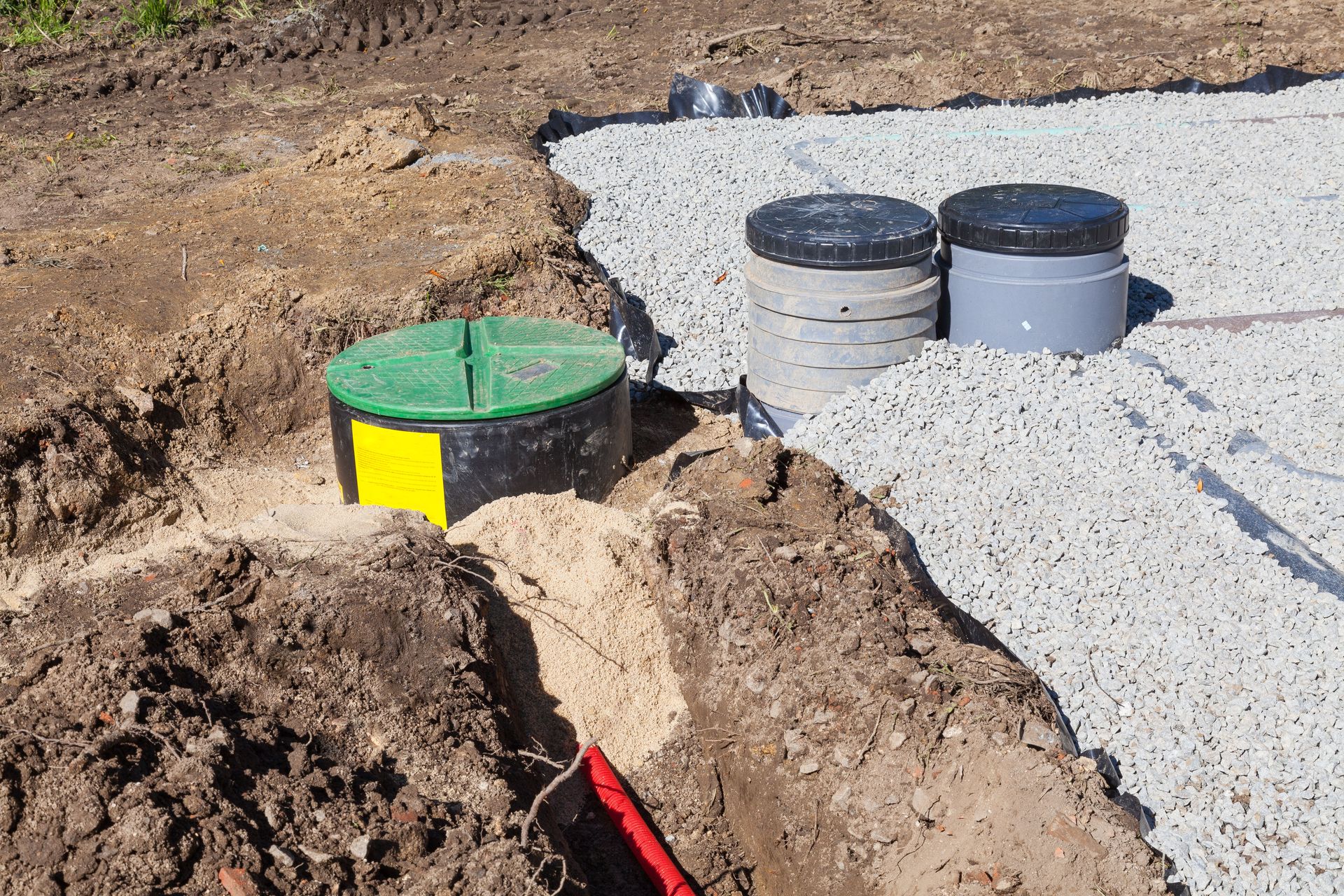
Even premium materials can fail prematurely if installation is handled poorly. Proper installation begins with evaluating the property, including soil composition, slope, groundwater levels, and local regulations. A carefully planned installation ensures the tank and drainfield work efficiently together.
Experienced contractors understand how to avoid common installation errors such as uneven tank placement, improper grading, and poor pipe alignment. These mistakes often remain unnoticed until years later when drainage issues begin. Professional installation reduces the chances of early failure and improves overall system reliability.
Site preparation also matters. Soil compaction, trench depth, and drainage control all influence long-term performance. Poor preparation can lead to structural shifting or inadequate filtration, increasing the risk of septic replacement sooner than expected.
3. Drainfield Performance
The drainfield is one of the most critical components of the septic system. It disperses treated wastewater into the soil, where natural biological processes remove contaminants. If the drainfield becomes overloaded or damaged, the entire system may fail.
Drainfield health depends heavily on soil permeability. Clay-rich soil drains slowly, increasing saturation risk, while overly sandy soil may allow wastewater to move too quickly for proper filtration. Proper soil testing helps determine whether additional engineering solutions are needed during installation.
Heavy vehicles, sheds, patios, or other structures should never be placed over the drainfield. Excess weight can compact the soil and crush underground lines. Protecting this area helps preserve system performance and reduces the likelihood of premature septic replacement.
4. Routine Pumping and Maintenance
Regular pumping is one of the most effective ways to maximize septic lifespan. Over time, sludge accumulates at the bottom of the tank while oils and grease form a scum layer at the top. If these layers become too thick, solids may flow into the drainfield and cause severe clogs.
Most septic systems should be pumped every two to five years depending on household size, tank capacity, and water usage. Larger households often require more frequent service. Routine pumping helps maintain system efficiency and lowers the chance of emergency failures.
Routine inspections also provide valuable insights into system condition. Professionals can identify cracks, leaks, failing baffles, and drainfield stress before problems become severe. Preventive maintenance is almost always less expensive than repairs or full septic replacement.
5. Household Water Usage Habits
Daily water consumption significantly affects septic system performance. Excessive water usage can overload the tank and drainfield, reducing treatment efficiency. Long showers, multiple laundry loads, and heavy dishwasher use within short periods place unnecessary strain on the system.
Installing water-efficient appliances and fixing leaks promptly can greatly reduce system stress. Low-flow fixtures help minimize water entering the tank while maintaining household comfort. Spacing out high-water activities also gives the system time to process waste effectively.
What enters the drains matters just as much as water volume. Grease, wipes, paper towels, feminine products, and harsh chemicals can disrupt bacterial activity or create blockages. Responsible disposal habits help delay septic replacement and improve system longevity.
6. Environmental and Weather Factors
Environmental conditions strongly influence septic performance. Heavy rainfall and flooding can saturate the soil surrounding the drainfield, preventing proper absorption. During severe weather, wastewater may surface in the yard or back up into the home.
Cold climates introduce additional challenges. Freeze-thaw cycles can damage shallow pipes and exposed components, causing cracks and leaks over time. Proper installation depth and insulation help reduce weather-related risks.
Landscaping also matters. Trees planted too close to the system may send roots toward pipes and tanks, causing blockages and structural damage. Choosing grass over deep-rooted plants helps protect the drainfield and minimizes future septic replacement costs.
7. Recognizing Early Warning Signs
Recognizing warning signs early can prevent costly failures. Slow drains, gurgling sounds, sewage odors, standing water, or unusually green patches over the drainfield often indicate system stress. These symptoms should never be ignored.
Some issues can be corrected through pumping, cleaning, or minor repairs. Others may indicate severe tank damage or drainfield failure. Addressing problems quickly helps prevent contamination and protects property value.
Recurring backups or major structural issues often indicate the system is approaching the end of its useful life. In these cases, homeowners may need to seriously evaluate septic replacement as the most practical long-term solution.
8. Long-Term Planning for Homeowners
Planning ahead helps homeowners avoid emergency failures and unexpected expenses. Keeping records of inspections, pumping schedules, and repairs provides a clear history of system performance. These records are also useful during home sales, where buyers often request proof of proper maintenance.
When repair costs begin to accumulate, comparing those expenses against the cost of septic replacement can help homeowners make smarter financial decisions. Newer systems often provide better efficiency, improved reliability, and compliance with modern regulations.
9. Professional Inspections and Technological Advancements
Professional inspections provide homeowners with valuable insights that routine pumping alone may not reveal. During a comprehensive inspection, technicians evaluate tank integrity, sludge levels, pipe condition, baffles, and drainfield performance. These inspections help identify subtle issues such as hairline cracks, slow leaks, or early signs of drainfield saturation before they develop into major failures. Scheduling inspections every few years, or whenever unusual symptoms appear, creates a proactive maintenance strategy that protects both the home and surrounding environment.
Modern technology has also improved how septic systems are monitored and maintained. Advanced sensors can now measure liquid levels, detect abnormal flow patterns, and alert homeowners to potential problems in real time. Some systems include smart monitoring devices that connect to mobile applications, allowing users to track performance and receive maintenance reminders. These innovations reduce uncertainty and help prevent overlooked issues that could accelerate system deterioration.
As septic technology continues to evolve, homeowners have more tools available to improve efficiency and longevity. Combining professional evaluations with modern monitoring solutions can reduce maintenance surprises, improve wastewater treatment, and support better long-term planning for system care.
Ultimately, a septic system can serve a property for decades when properly installed and consistently maintained. Material quality, drainfield care, household habits, and environmental conditions all contribute to lifespan. By understanding these factors and responding proactively, homeowners can maximize performance and reduce the frequency of costly repairs while protecting their investment. Contact our team at Vandenberg Services and learn more about our septic services.
Share On: