
3 Benefits of Upgrading to a New Septic System
Septic systems play a crucial role in waste management for residential properties that are not connected to municipal sewer lines. These systems are responsible for safely collecting, treating, and dispersing wastewater generated by everyday household activities. As septic technology evolves and older systems reach the end of their usable lifespan, homeowners often find themselves considering an upgrade. Whether driven by environmental concerns, rising maintenance costs, or declining system performance, investing in a modern septic installation can deliver substantial benefits for both homeowners and the surrounding environment.
For properties without access to public sewer infrastructure, a dependable septic system is essential for daily comfort and long-term property usability. Many existing systems were installed decades ago using materials and designs that no longer meet current performance or environmental standards. As household water usage increases and regulatory expectations change, older systems may struggle to keep pace. Homeowners may therefore pursue an upgraded septic installation to improve efficiency, enhance environmental protection, and increase overall property value.
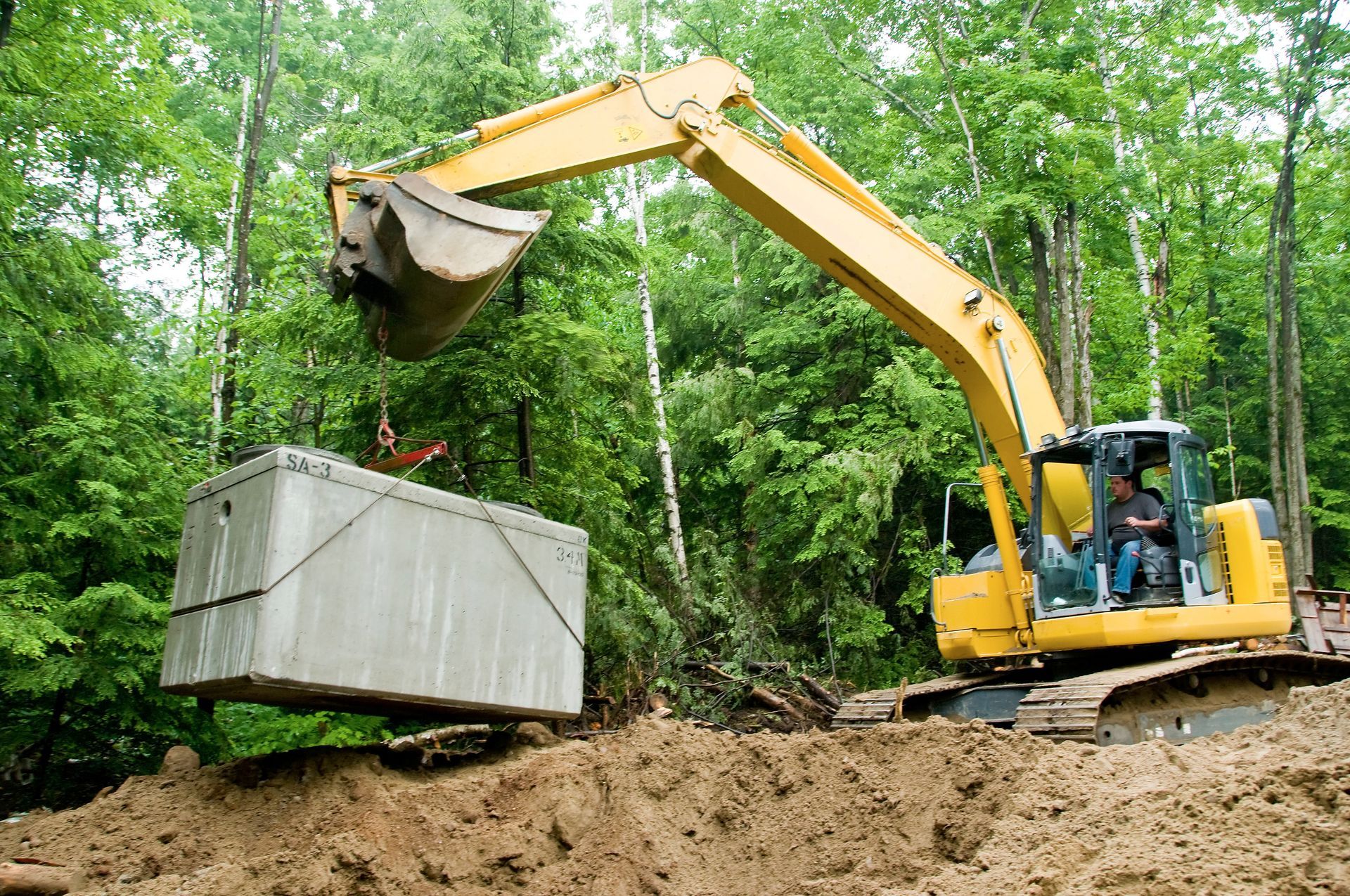
Several factors influence the size, design, and specifications required for septic systems. According to This Old House, most single-family homes rely on 1,000- or 1,250-gallon septic tanks, with capacity determined by bedroom count, anticipated water usage, and local code requirements. Soil conditions, lot size, and proximity to water sources also play a role. With so many variables involved, proper septic installation and timely system upgrades are pivotal decisions that can lead to long-term reliability and performance improvements discussed throughout this article.
Enhanced Environmental Safety
Modern septic systems are engineered with advanced materials and technologies that significantly reduce the risk of waste leakage and environmental contamination. Older systems, especially those made with outdated concrete or metal components, can crack, corrode, or deteriorate over time. These failures may allow untreated wastewater to escape into the surrounding soil and groundwater. A professionally executed septic installation using modern materials ensures waste remains fully contained and treated, protecting both the property and nearby ecosystems.
Septic systems located near lakes, rivers, or groundwater recharge zones are particularly vulnerable to environmental risks. In these areas, even minor system failures can result in contamination that affects drinking water supplies and local wildlife. Newer systems are designed to manage waste more effectively without compromising environmental safety. Through updated septic installation practices, these systems incorporate corrosion-resistant materials, improved seals, and reinforced tank structures that dramatically reduce the likelihood of leaks.
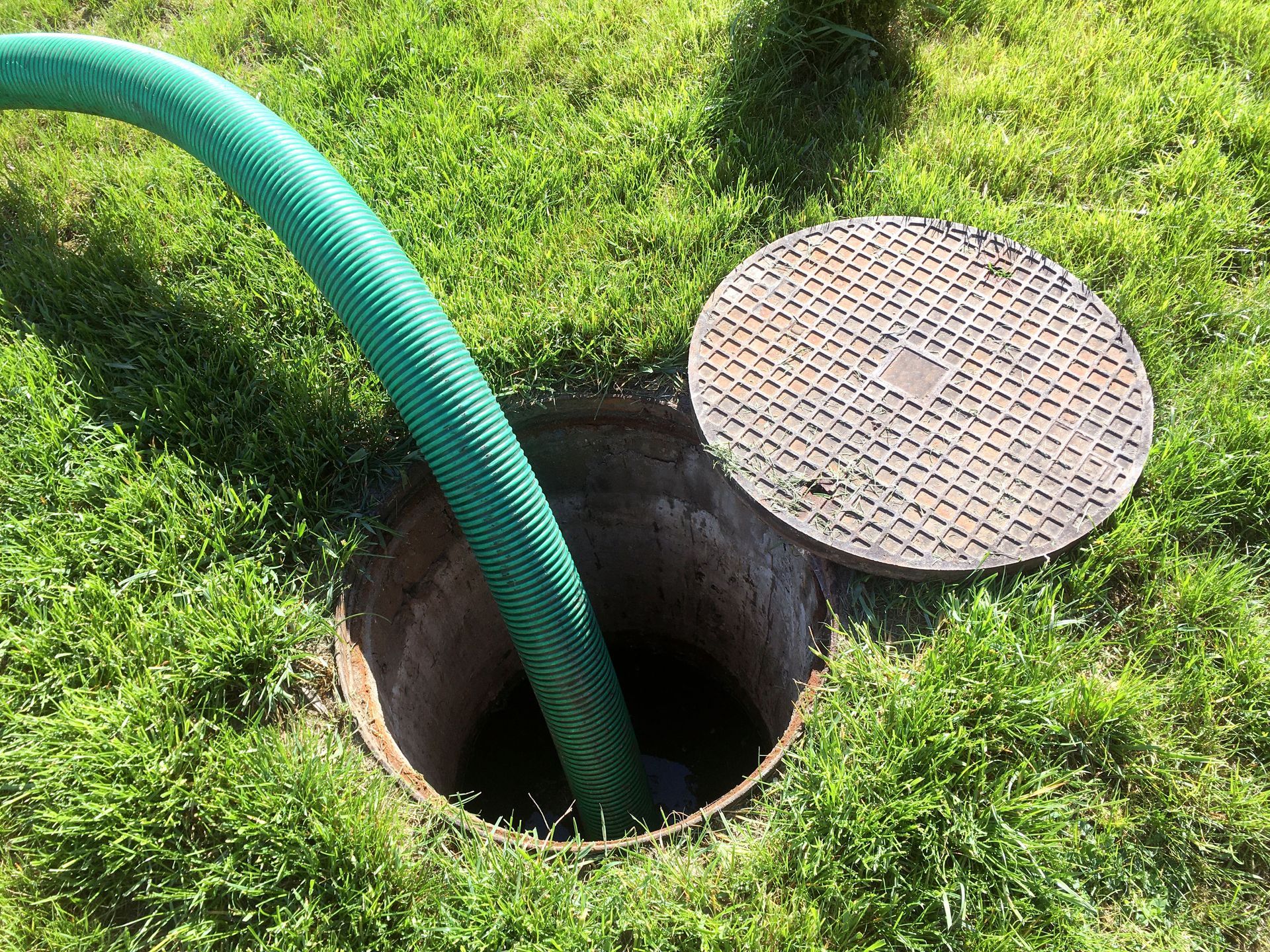
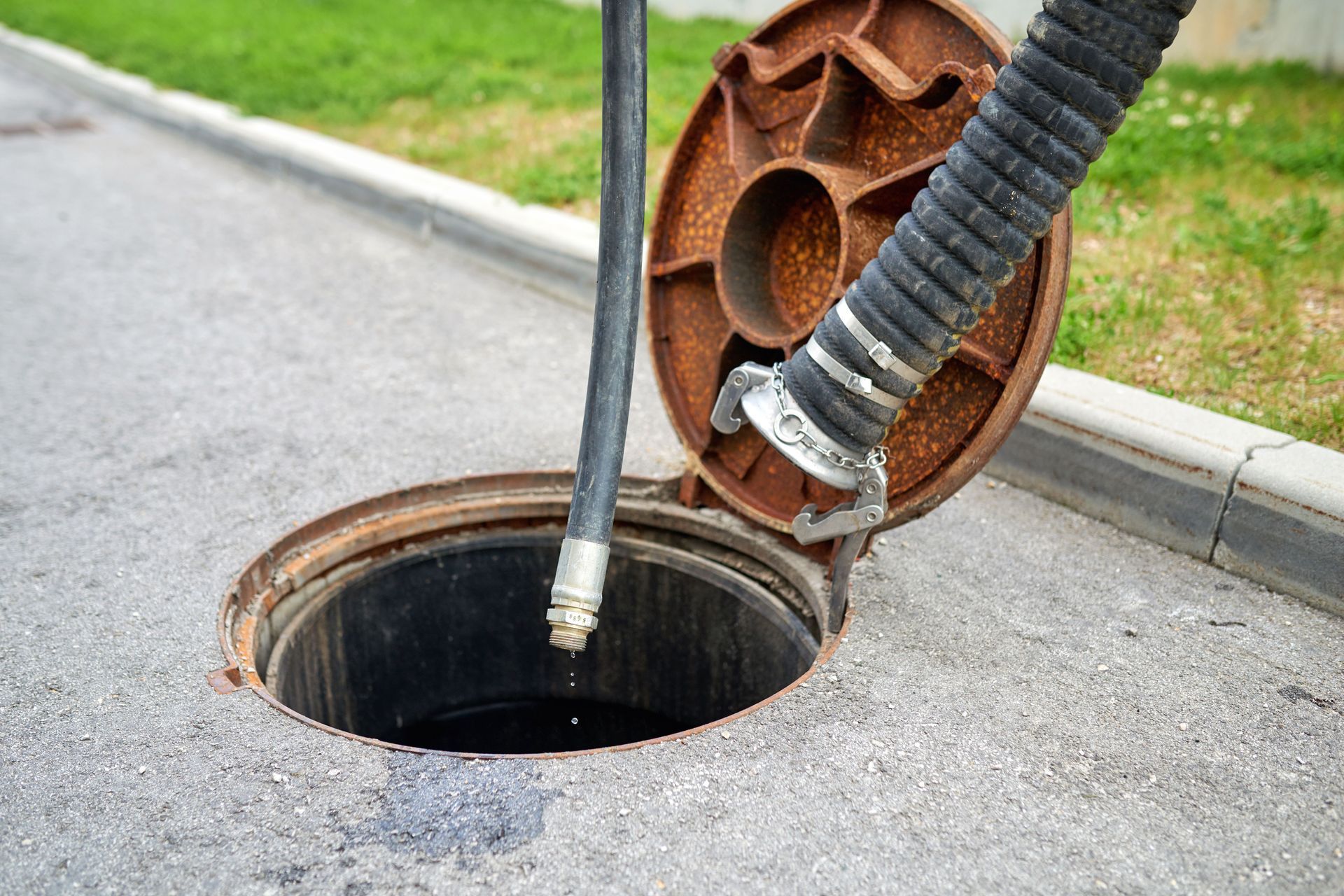
Another environmental advantage of modern systems lies in their ability to monitor performance more effectively. Many newer septic designs include inspection ports and monitoring components that allow professionals to detect issues early. Some systems are equipped with alerts that notify homeowners of abnormal water levels or processing disruptions. A modern septic installation empowers homeowners to respond proactively to minor issues before they escalate into costly repairs or environmental hazards.
Upgrading a septic system also plays a direct role in improving soil and water quality. Older systems may lack the ability to fully treat wastewater before it is released into the drain field. This can result in nutrients, bacteria, and other contaminants seeping into the surrounding earth. Modern septic installation methods incorporate enhanced filtration and biological treatment processes that significantly reduce pollutants, helping preserve soil health and groundwater purity.
Advanced effluent treatment technologies are a hallmark of today's septic systems. These innovations are designed to retain harmful pollutants within the system rather than allowing them to migrate into natural water sources. Enhanced filtration layers, improved distribution boxes, and refined separation techniques introduced during septic installation all contribute to cleaner effluent discharge. As a result, homeowners play a meaningful role in protecting local ecosystems while maintaining a functional waste management system.
Improved System Efficiency
One of the most noticeable benefits of upgrading a septic system is improved operational efficiency. Modern systems are designed to accelerate waste breakdown using advanced treatment processes. Many newer designs incorporate improved aeration methods that introduce oxygen into the tank, supporting aerobic bacteria that break down waste more rapidly. A septic installation that includes aerobic technology allows solids to decompose faster than in traditional anaerobic systems.
Enhanced decomposition efficiency reduces the amount of time waste remains in the system. This leads to fewer odors, smoother operation, and a lower risk of backups or overflow. Advanced septic installation techniques also reduce the frequency of required pumping, saving homeowners time and maintenance costs. Faster and more complete waste processing contributes to a system that performs reliably even during periods of increased household water use.
Improved efficiency also allows for more precise system sizing. Because modern systems process waste more effectively, they can be designed to meet household needs without excessive overcapacity. According to This Old House, septic tank size is typically based on the number of bedrooms and local regulations. With updated septic installation, homeowners can install systems that meet code requirements while maximizing efficiency and minimizing unnecessary land disturbance.
System upgrades further enhance water flow and drainage efficiency across the entire property. Older septic systems often suffer from restricted pathways, outdated layouts, or insufficient drainage capacity. Modern septic installation methods focus on optimized flow patterns that allow wastewater to move smoothly through the system. This reduces the likelihood of clogs, slow drains, and standing water in drain fields.
Inadequate drainage is a common issue with aging systems, frequently caused by poor absorption or deteriorating components. Modern septic installation addresses these concerns through improved engineering and layout planning. Optimized distribution systems ensure even dispersal of treated effluent, preventing saturation and extending the life of the drain field. These improvements contribute to a more resilient system built for long-term use.
Cost Savings Over Time
Although upgrading a septic system requires an upfront investment, the long-term cost savings are often substantial. Modern systems are designed with durability and reliability in mind, reducing the need for frequent repairs. Septic installation using high-quality materials and contemporary designs minimizes unexpected breakdowns, allowing homeowners to avoid costly emergency service calls.
Older systems often demand frequent maintenance due to wear and tear, component failure, or outdated technology. These recurring expenses can add up quickly over time. By contrast, modern septic installation reduces routine service requirements and extends maintenance intervals. Fewer service visits translate directly into lower ownership costs and less disruption for homeowners.
Repair costs associated with failing systems can place significant strain on household budgets. Leaking tanks, damaged drain fields, and collapsed components are expensive issues commonly linked to outdated installations. Upgraded systems emphasize preventative performance, addressing inefficiencies before they evolve into major financial burdens. Proper septic installation helps homeowners manage costs predictably rather than reacting to emergencies.
Durability is another key contributor to long-term savings. Modern systems are built with components designed to withstand environmental stress and heavy use. Improved construction standards reduce wear and extend system lifespan. As a result, homeowners experience fewer emergency repairs and longer replacement cycles, making septic installation a financially sound investment over time.
Investing in a modern septic installation is a proactive decision that supports environmental responsibility, operational efficiency, and long-term financial stability. With advancements in treatment technology, improved materials, and smarter system design, today's septic systems offer reliable performance while protecting soil and water resources. For homeowners relying on septic systems, upgrading ensures peace of mind, enhanced property value, and a sustainable approach to wastewater management for years to come. For more information about the services that we offer, reach out to our incredible team at Vandenberg Services today!
Share On: