
13 Warning Signs Your Septic System Needs Repairs
Your septic system plays a critical role in keeping your home safe, sanitary, and functional. Unlike municipal sewer systems, septic systems operate entirely on your property, quietly managing wastewater day in and day out. Because they are largely out of sight, problems often go unnoticed until they become expensive and disruptive. Understanding the early warning signs of septic system trouble can help you address issues before they escalate into major repairs or complete system failure.
In this guide, we’ll walk through 13 common warning signs that you may need septic repairs. If you notice one or more of these issues, it’s wise to consult a septic professional as soon as possible.
1. Slow Drains Throughout the House
Occasional slow drains can be caused by a clogged pipe or buildup in a single fixture. However, when multiple drains in your home start moving slowly at the same time—such as sinks, tubs, and toilets—it may point to a larger septic system issue. This often indicates that the septic tank is full or that there is a blockage in the drain field preventing wastewater from flowing properly.
Ignoring slow drains can lead to more serious backups and potential damage to your plumbing. If plunging or basic drain cleaning doesn’t help, it’s time to have your septic system inspected.
2. Unpleasant Odors Indoors or Outdoors
A healthy septic system should not produce strong or persistent smells. If you notice sewage-like odors inside your home or around your yard—particularly near the septic tank or drain field—it’s a red flag. These smells may indicate a full tank, a cracked pipe, or a failing drain field that is allowing gases to escape.
Odors are not only unpleasant but can also pose health risks. Prompt septic repairs can help restore proper ventilation and prevent exposure to harmful bacteria and gases.
3. Sewage Backups in Toilets or Drains
One of the most obvious and alarming warning signs is sewage backing up into toilets, sinks, or showers. This typically occurs when the septic tank is overloaded or when there is a severe blockage preventing wastewater from leaving your home.
Sewage backups require immediate attention. Continued use of water can worsen the problem and increase cleanup costs. A professional can determine whether pumping, septic repairs, or component replacement is necessary.
4. Pooling Water in the Yard
If you notice standing water or soggy patches in your yard, especially near the drain field, your septic system may not be processing wastewater correctly. This pooling can occur when the tank is full, the drain field is saturated, or pipes are damaged.
Pooling water is more than a cosmetic issue—it can contaminate soil and nearby water sources. Early intervention can help prevent environmental damage and costly system replacement.
5. Lush, Overly Green Grass Above the Drain Field
While a healthy lawn is usually a good thing, unusually lush or fast-growing grass in one specific area of your yard can signal septic trouble. Excess nutrients from leaking wastewater can act as fertilizer, causing grass above the drain field to grow greener and thicker than surrounding areas.
This visual clue often points to leaks or improper wastewater distribution. Addressing the issue early can protect your yard and prevent further system deterioration.
6. Gurgling Sounds in Pipes
Strange noises coming from your plumbing—such as gurgling or bubbling sounds when you flush the toilet or run water—can indicate that air is trapped in the system. This often happens when wastewater is struggling to move through clogged or damaged pipes.
While gurgling may seem minor, it can be an early sign of a developing septic problem. A professional inspection can identify the cause before it leads to backups or system failure.
7. High Nitrate Levels in Well Water
For homes that rely on well water, septic system issues can directly impact water quality. Elevated nitrate levels in well water may indicate that wastewater is leaking from the septic system into the groundwater.
High nitrate levels are especially dangerous for infants and can pose long-term health risks for adults. Regular water testing and timely septic repairs are essential for protecting your household’s health.
8. System Is Due for Pumping or Maintenance
Septic systems require routine pumping and maintenance, typically every three to five years depending on usage and tank size. If it has been longer than recommended since your last service, your system may be overdue and at higher risk of failure.
Lack of maintenance can lead to sludge buildup, reduced capacity, and eventual damage to key components. Staying on schedule with inspections and pumping can prevent many common septic problems.
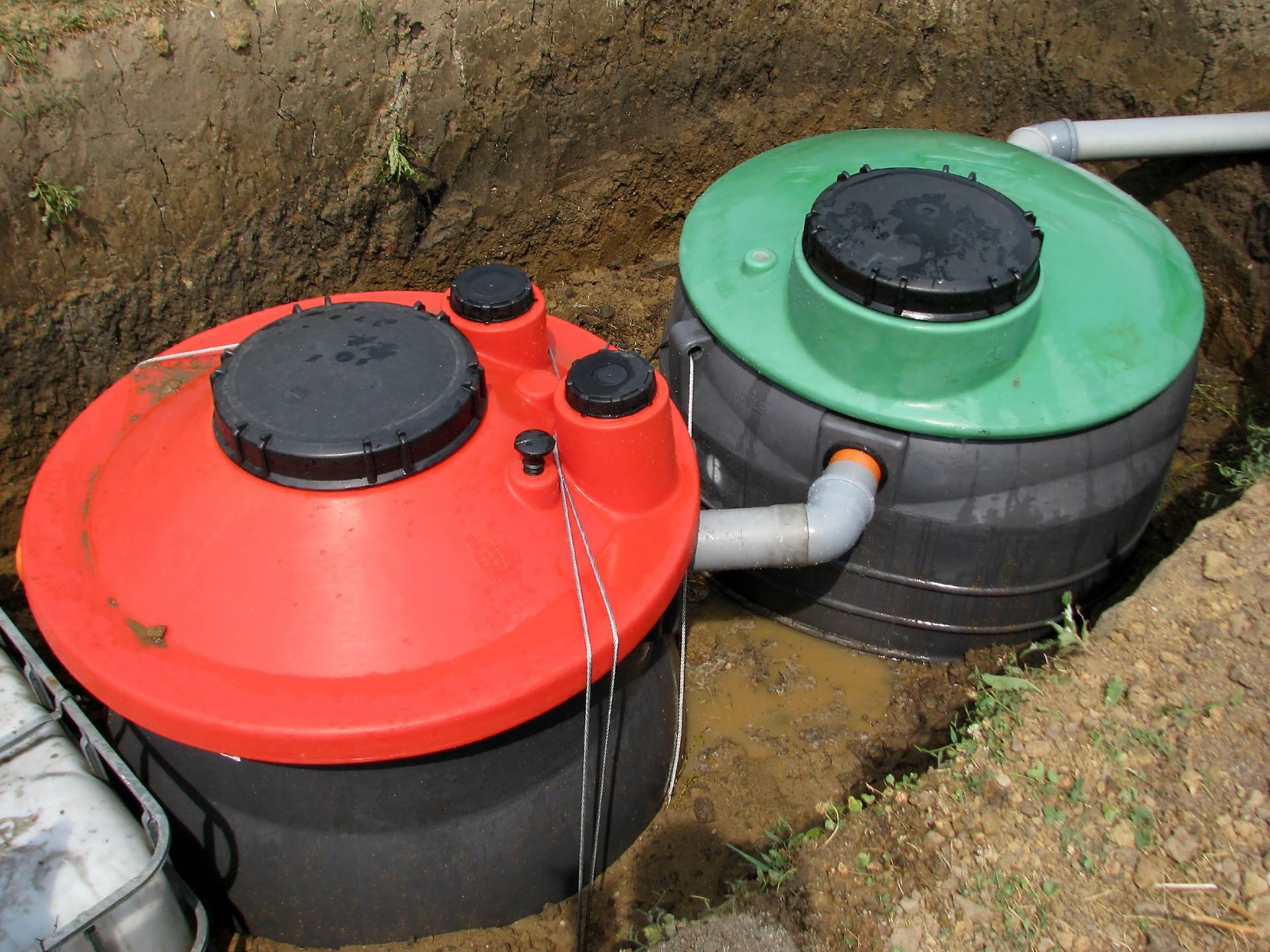
9. Cracks or Damage to the Septic Tank
According to This Old House, over 25% of Americans rely on a septic tank for waste management. Over time, these septic tanks can develop cracks due to age, soil movement, or heavy vehicles driving over them. These cracks can allow wastewater to leak into the surrounding soil or let groundwater enter the tank, disrupting normal operation.
Signs of tank damage may include unexplained wet areas, foul smells, or frequent need for pumping. Septic repairs or replacement may be necessary to restore proper function and prevent environmental contamination.
10. Alarms or System Alerts Are Activated
Modern septic systems often include alarms or monitoring devices that alert homeowners to high water levels or pump failures. If an alarm sounds or a warning light activates, it’s a clear indication that something is wrong.
Never ignore septic system alerts. These warnings are designed to prevent serious damage by prompting timely repairs or maintenance.
11. Frequent Plumbing Clogs Despite Regular Cleaning
If you’re dealing with repeated clogs even after snaking drains or using professional plumbing services, the issue may not be inside your home at all. Persistent clogs can signal that your septic tank is overloaded or that the pipes leading to it are obstructed or damaged. When wastewater cannot flow freely into or out of the tank, it often backs up into household plumbing.
Rather than repeatedly treating the symptoms, a septic inspection can identify whether buildup, root intrusion, or structural issues are causing the recurring clogs.
12. Drain Field Takes a Long Time to Dry After Rain
While some moisture after heavy rainfall is normal, a drain field that remains soggy for days may indicate poor drainage or a failing system. When the soil can no longer absorb and filter wastewater effectively, it can lead to surface pooling and system backups.
This issue is often worsened by compacted soil or an aging drain field. Septic repairs or upgrades may be needed to restore proper wastewater absorption.
13. Increased Presence of Insects or Rodents
An unusual increase in flies, mosquitoes, or rodents around your yard—especially near the septic tank or drain field—can be a subtle sign of a problem. Leaking wastewater and standing moisture create an ideal environment for pests.
Addressing septic leaks or drainage issues not only protects your system but also helps eliminate conditions that attract unwanted pests to your property.
Your septic system is a significant investment and an essential part of your home’s infrastructure. If you notice any of these issues outlined above, don’t wait for the problem to worsen; consult our qualified septic professionals at Vandenberg Services for professional septic repairs. We serve the West Michigan area, offer a five-year warranty on parts and labor, and provide free on-site estimates. Contact us today!
Share On: