
The Hidden Costs of Neglecting Septic Repair Service
Septic systems are essential for managing household waste, protecting health, and maintaining hygiene. Despite their importance, many homeowners underestimate the need for regular upkeep and timely repairs. Neglecting septic repair service can lead to hidden costs that affect finances, health, the environment, and social relationships. Small issues, if left unaddressed, can escalate into major problems that disrupt daily life and burden homeowners financially. Understanding these consequences demonstrates why proactive care is not just a convenience but a necessity.
This article explores the financial, environmental, and social impacts of neglect while highlighting how routine service can prevent costly emergencies, protect property, and extend system lifespan. For homeowners, investing in preventative care is a small step that prevents major disruptions, preserves long-term value, and ensures ongoing peace of mind. Beyond immediate benefits, proactive maintenance also provides homeowners with data and records that can inform future repairs, upgrades, or property resale decisions, making the system’s management more predictable and cost-efficient over time.
Understanding The System and Its Components
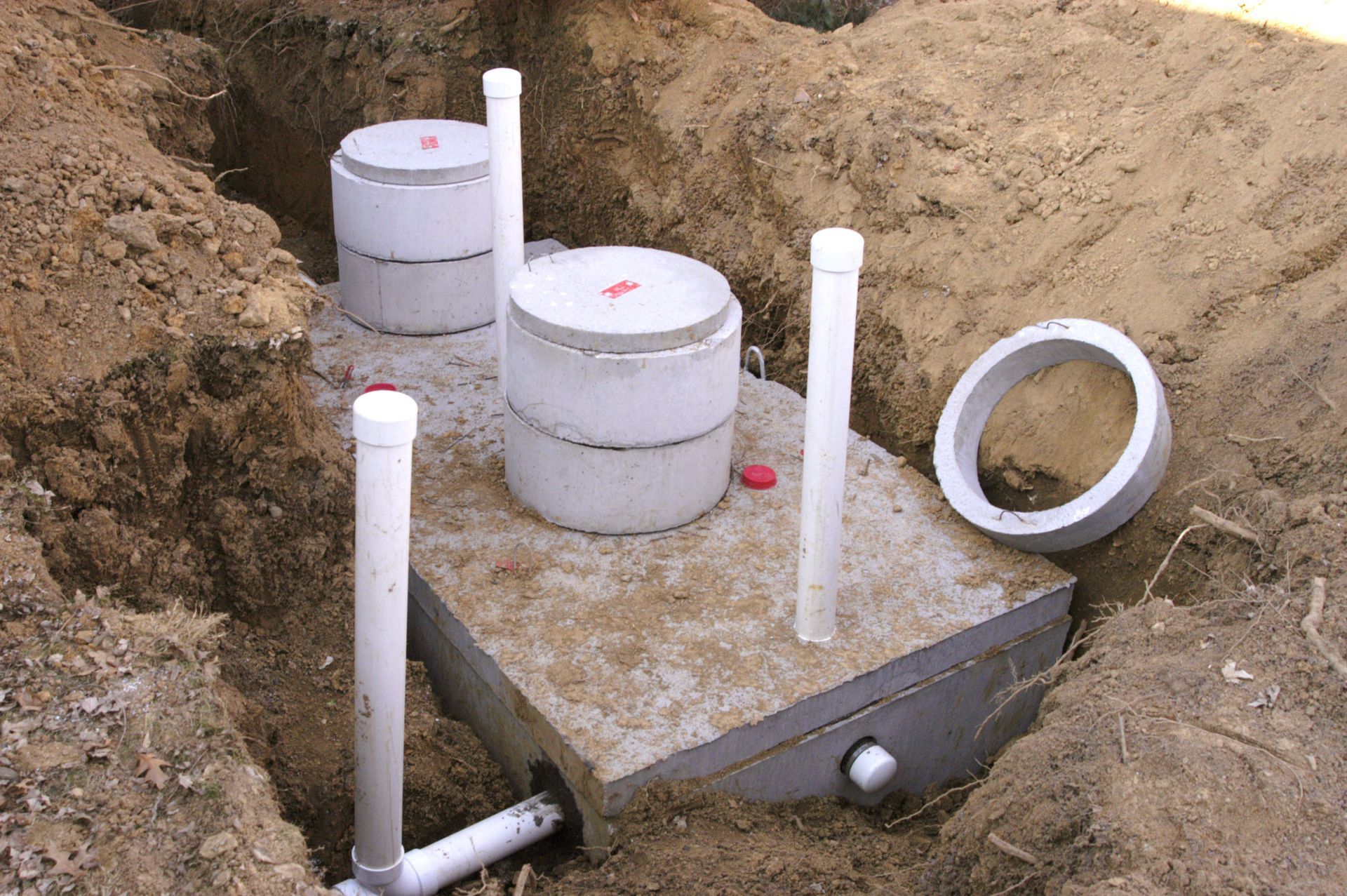
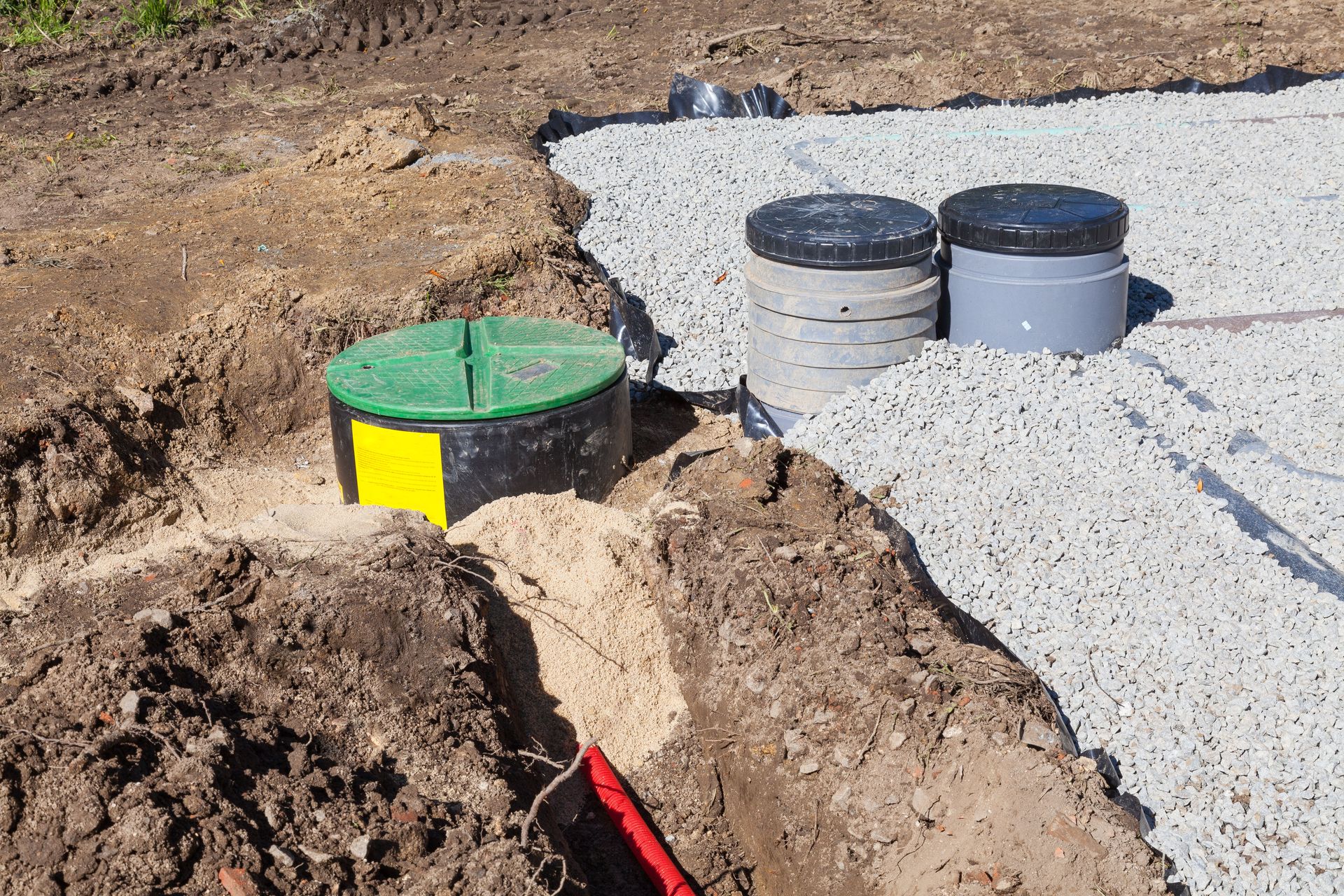
A septic system works by collecting sewage in a tank, allowing solids to settle while liquids are filtered into the soil through a drain field. Additional components, such as pipes, distribution boxes, and chambers, ensure proper flow and prevent system overload. When any part fails, the entire system can malfunction, causing backups, leaks, and reduced filtration efficiency. Regular septic repair service ensures that each component functions correctly, reducing the risk of costly breakdowns. Many homeowners overlook the drain field’s importance, yet it is critical in filtering effluent before it enters the soil. Proper landscaping, soil management, and protection from excess water or compaction can help maintain system efficiency. Understanding how each part of the system operates empowers homeowners to detect potential problems early and take preventative action before minor issues escalate. Simple steps like checking for erosion around the drain field, inspecting access points for cracks, and keeping heavy machinery off sensitive areas can significantly extend system life and prevent costly interventions.
Detecting Problems and Preventing Damage
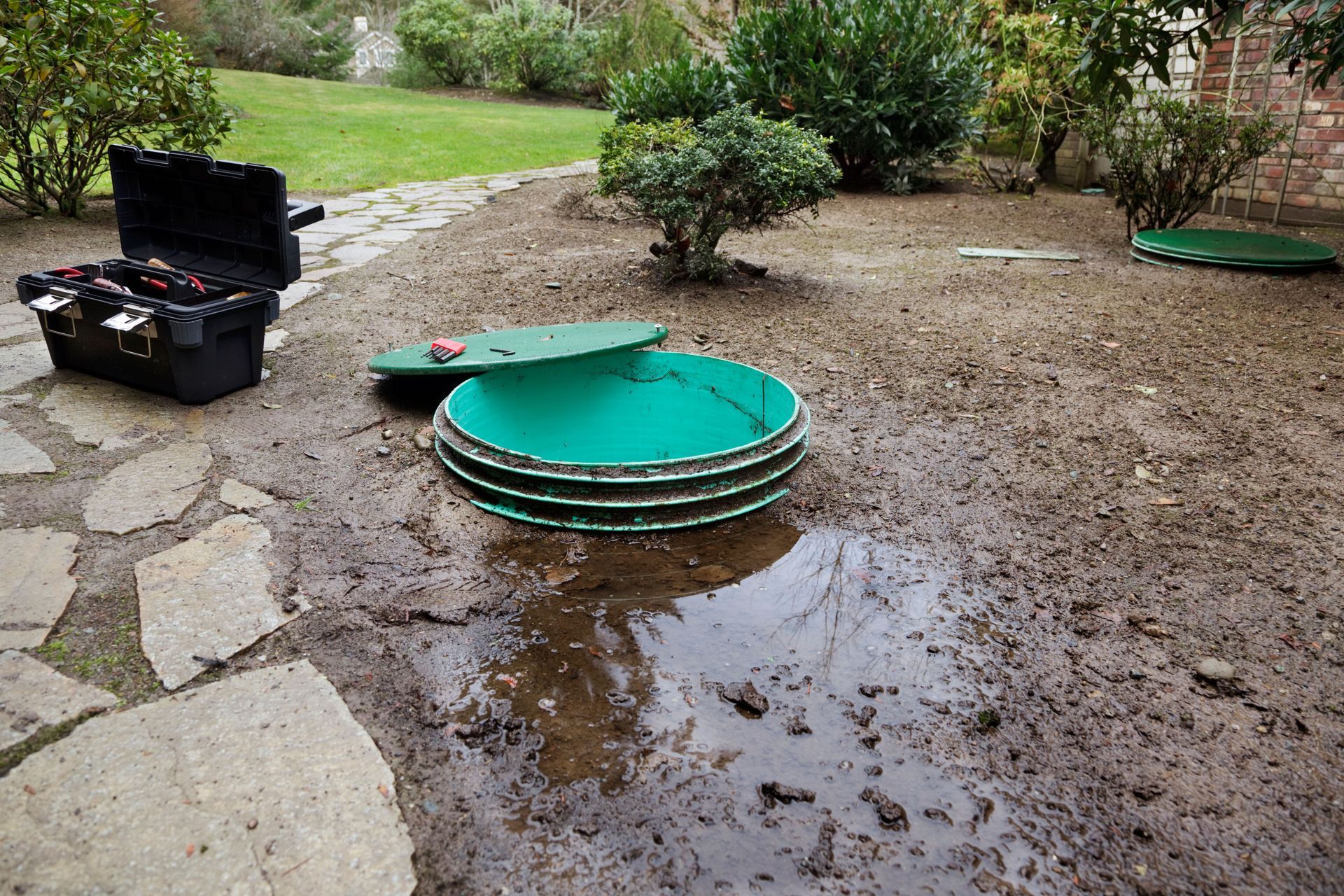
Septic issues often begin subtly, with signs such as slow drains, foul odors, or surface pooling of effluent. Slow drains may indicate blockages, while persistent odors suggest leaks or insufficient waste decomposition. Surface pooling signals soil saturation or system failure and requires immediate attention. Ignoring these early warnings often results in larger, more expensive repairs. Early intervention through septic repair service prevents damage from spreading and reduces environmental and health risks. For instance, noticing an unusual odor around the tank or drain field allows homeowners to schedule a service visit before backups affect the household plumbing system. Monitoring water usage, avoiding flushing non-septic-safe products, and regular inspections all contribute to maintaining system efficiency. Acting on warning signs promptly ensures manageable repairs, reduces stress, and preserves system reliability for years. Additionally, documenting these observations during routine checks helps service providers pinpoint recurring issues and recommend long-term solutions, further protecting both the system and the homeowner’s investment.
Avoiding Financial Strain and Costly Replacements
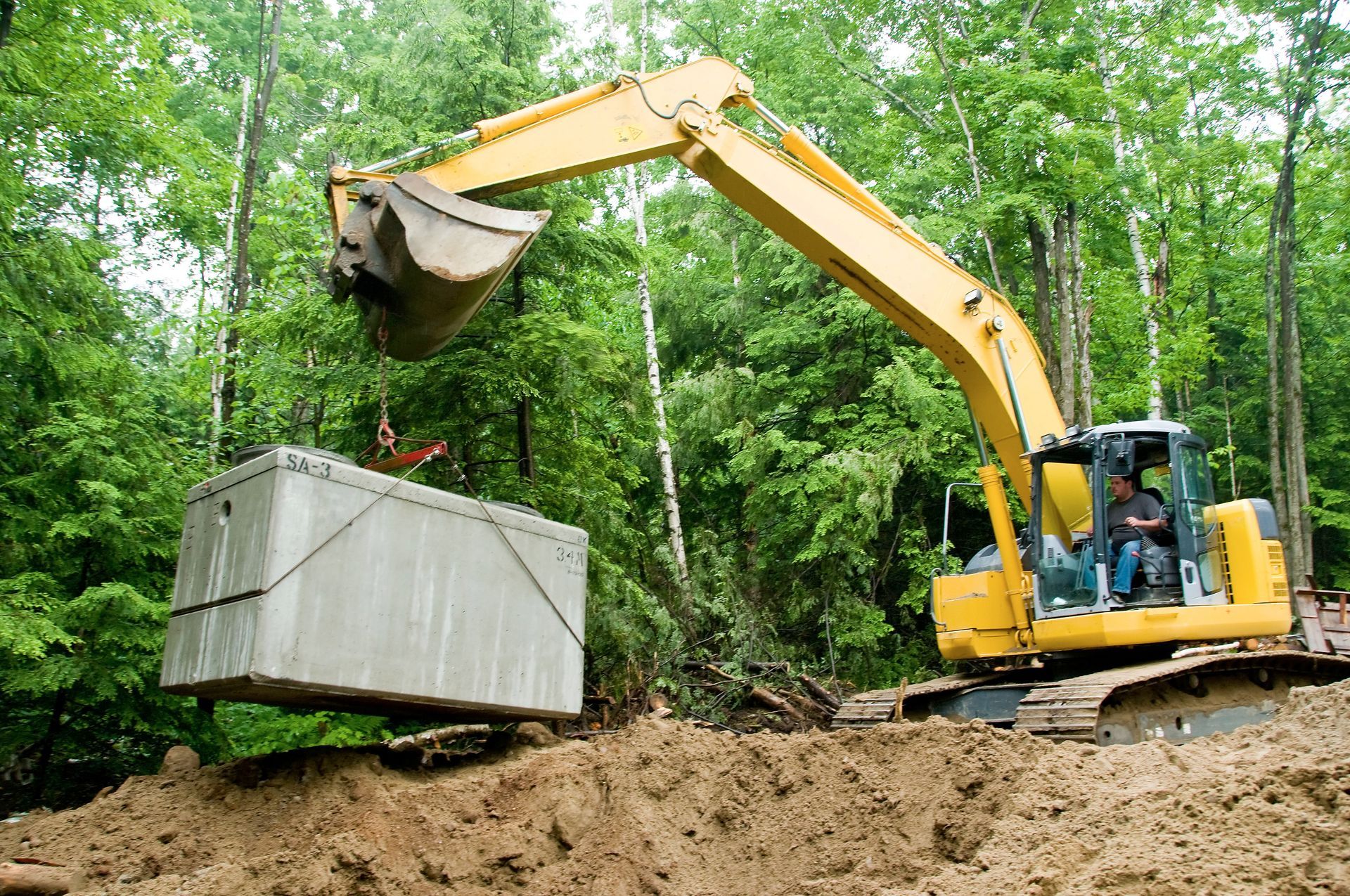
Neglecting septic maintenance can trigger emergency repairs, which are often expensive and disruptive. Emergency service typically comes with premium fees and can interrupt daily routines. Prolonged neglect may eventually require complete system replacement, including excavation, tank installation, and landscaping restoration. The financial burden can extend beyond repair costs, impacting insurance premiums, property value, and resale potential. Regular septic repair service minimizes these risks by maintaining function and extending lifespan. Preventive maintenance also preserves property value, as a well-maintained system appeals to buyers, whereas a neglected one can deter interest. For homeowners in areas without municipal sewer systems, routine service represents a strategic investment that balances short-term expense against long-term financial security. Planning routine maintenance on a schedule—rather than waiting for issues to arise—also helps homeowners budget more effectively and avoid unexpected, high-cost emergencies.
Reducing Environmental and Health Consequences
Failing septic systems can seriously impact the environment, including groundwater contamination, soil degradation, and nutrient overload in nearby water bodies. Untreated effluent introduces bacteria, nitrates, and other harmful pathogens into ecosystems, affecting both humans and wildlife. According to Coherent Market Insights, the septic solutions market encompasses pumping, maintenance, installation, and repair services, contributing to projected growth to $11.3 billion by 2032. Timely septic repair service mitigates these risks, protecting the environment and public health. Exposure to untreated waste can result in waterborne illnesses, respiratory problems, and other infections. Investing in regular maintenance safeguards households and the broader community. Proper waste treatment prevents harmful algal blooms, preserves local water quality, and maintains soil fertility, supporting sustainable environmental stewardship. Homeowners who adopt regular inspections and maintenance routines actively contribute to the long-term protection of their neighborhood’s water systems and soil health.
Preserving Social Relations and Legal Compliance
Neglected septic systems can strain neighborhood relations due to odors, leaks, or visible effluent, generating complaints and tension. Homeowners may also face fines or legal liability if their systems fail to comply with health and environmental regulations. Routine septic repair service fosters positive community interactions by reducing complaints and demonstrating responsible homeownership. Reliable systems benefit local businesses and public infrastructure by supporting community health and environmental integrity. Maintaining clear records of inspections and service visits can also protect homeowners in legal or insurance matters. Sharing maintenance tips and proactive strategies with neighbors strengthens community responsibility and collective management of septic systems. Additionally, being proactive in communication and showing diligence in maintenance can reduce conflict and enhance overall neighborhood trust.
Implementing Proactive Maintenance and Longevity Strategies
Scheduling regular inspections, pumping, and minor repairs ensures consistent performance and extends system life. Technological advancements in septic systems offer improved waste processing, reduced maintenance needs, and longer durability. Homeowners can further support their systems by limiting water usage, avoiding non-septic-safe products, and monitoring early warning signs. Combining professional service with informed daily practices makes septic repair service a cost-effective way to prevent emergencies, protect health, and maintain property value. Using biodegradable cleaning products, reducing excess water during peak use, and properly landscaping the drain field help prevent strain on both the tank and filtration system. Proactive strategies also allow homeowners to plan financially, minimizing unexpected costs while maximizing efficiency. Educating family members about proper system use and scheduling periodic reviews with professionals ensures that the system is respected and maintained consistently, further extending its life and efficiency.
Evaluating Costs and Long-Term Benefits
While routine septic repair service requires an upfront investment, it is far outweighed by the potential costs of emergency repairs, system replacement, environmental damage, and health risks. Regular service enhances property value, reduces insurance complications, and prevents the stress of system failures. Homeowners who maintain their septic systems proactively enjoy peace of mind, avoid hidden costs, and contribute to community well-being. Aligning financial planning with regular maintenance demonstrates practical and long-term benefits, making septic repair service an essential part of responsible homeownership. Over time, cumulative savings, environmental protection, and health security far exceed the cost of maintaining a reliable system, making proactive care the smart choice. Homeowners who schedule routine service not only protect their property but also demonstrate a commitment to sustainable living and neighborhood health, creating a safer and more secure environment for all.
Neglecting septic repair service can result in hidden financial, environmental, and social costs. Proactive maintenance extends system lifespan, prevents emergencies, supports regulatory compliance, and protects property value. With industry growth and technological advancements, maintaining a functional septic system is both practical and necessary. Homeowners who prioritize septic repair service safeguard their investment, protect their community, and ensure system reliability for years to come. Contact Vandenberg Services to schedule your septic system evaluation today and secure the long-term performance of your system.
Share On: